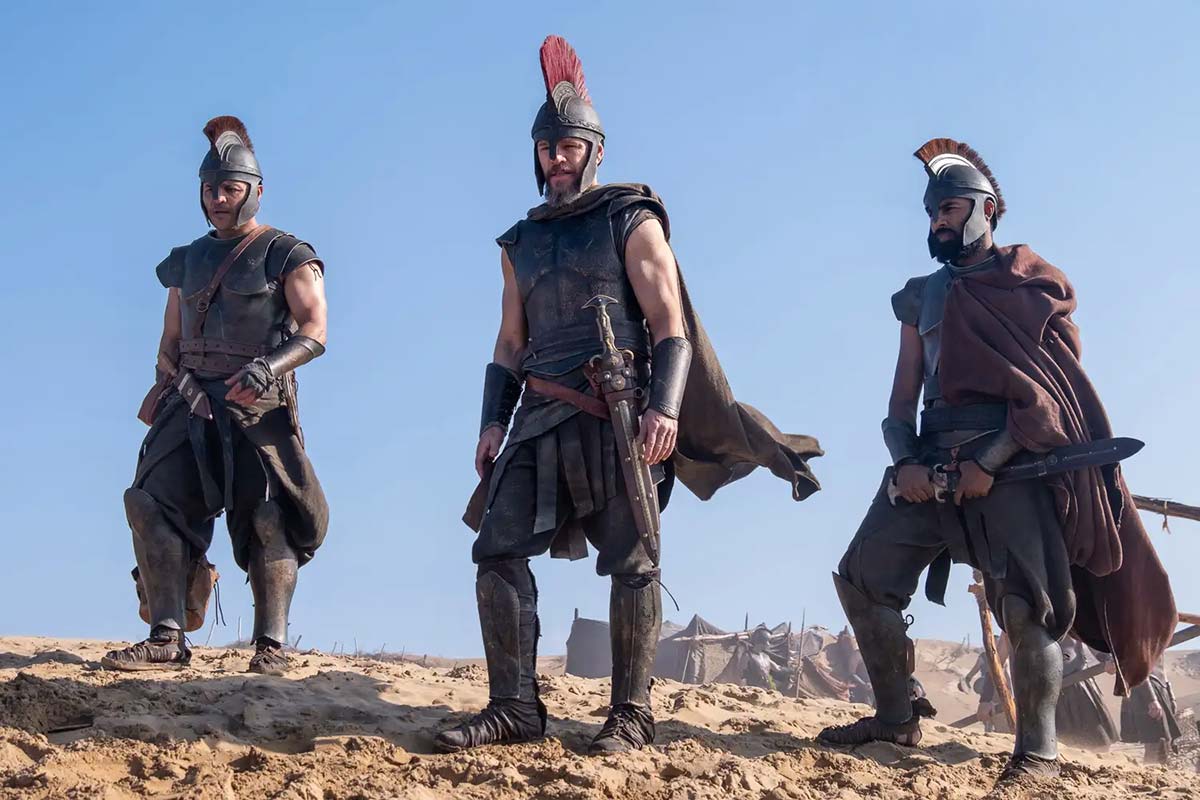
So, The Odyssey is finally here. Is Christopher Nolan’s US$250 million historical fantasy based on Homer’s thousands-of-years-old epic Greek poem of the same name, which took huge creative liberties worthy of the costly IMAX ticket? From a technical standpoint, he doesn’t disappoint in bringing the sheer cinematic experience, making full use of IMAX 70 mm film cameras, with Hoyte van Hoytema’s cinematography capturing the solemn and atmospheric look of the ancient Greek setting.
He and Hoytema even go as far as embracing natural lighting as they shot The Odyssey entirely on location, giving the movie a tangible sense of place through geographical immersion. The movie may contain fantastical elements, but Nolan maintains the predominantly gloomy aesthetic to mirror the harsh reality of the Bronze Age era, highlighting Odysseus’s (Matt Damon) gruelling decade-long journey to sail home to Ithaca after the Trojan War.
Ludwig Göransson produces a winner here, offering an eclectic musical composition that strips off the traditionally orchestral formula in favor of blending percussive-heavy bronze gongs and drums with ancient Greek instruments, synthesizers, and even enlisting singer-songwriter James Blake for his background vocals. Let’s not forget about the immersive sound design – be it torrential storms, pounding waves, and whistling arrows – it makes you feel like you are part of the visceral journey with the characters.
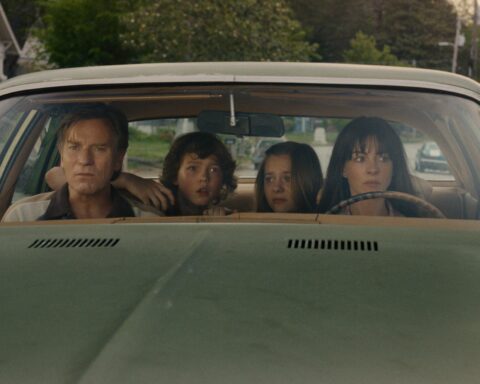
Likewise, Nolan, who also wrote the screenplay, structures the movie in his signature non-linear style like a puzzle box, immersing us deep into the protagonist’s arc both emotionally and psychologically. The aftermath of the ten-year Trojan War took a massive toll on Odysseus, and even though he manages to stay alive, it was only the beginning of his ordeal. He’s all beat-up and tired while deprived of sleep, but still trying his best to soldier on, hoping to reunite with his wife Penelope (Anne Hathaway) and their son Telemachus (Tom Holland).
However, his journey is treacherous not only from his severe post-war trauma, but also from unusual encounters like the Cyclops, Circe (Samantha Morton), and the Sirens. Take the Cyclops sequence, for instance, easily one of the most visceral set pieces ever made in Nolan’s filmography. Here, the scene revolves around Odysseus and his soldiers being trapped in the massive cave shot inside Nestor’s Cave in Messenia, Greece, which adds claustrophobic realism, as opposed to shooting it on a stage with a green screen.
The cavernous depth, coupled with its immense darkness, heightens the dread-inducing fear and isolation straight out of an unsettling psychological horror. With the cave door sealed shut, they must find a way to outsmart the giant human-eating Cyclops — a towering figure that’s vividly brought to life using practical effects over CGI, combining a mix of 60-foot-tall animatronic and live puppetry performed by Bill Irwin, best known for his TARS robot role in Interstellar.
Odysseus’s ongoing plight draws parallels with the homebound crisis in Ithaca, as Penelope and Telemachus have to put up with a line of suitors, including Antinous (Robert Pattinson). They occupy the palace and make themselves at home, while eagerly looking forward to marrying Penelope and reclaiming the throne as the new ruler since they presume the King of Ithaca has been dead for decades.
The Odyssey is stacked with an all-star cast, even though the idea of casting Matt Damon as Odysseus, a cunning and resourceful tactician and military commander who doesn’t seem to fit in his wheelhouse, particularly given his contemporary everyman look. And yet, Nolan manages to see something in him as Damon successfully internalises his character, far from just a battle-hardened soldier. This is especially true in his grounded performance, which makes us empathise with his plight while showcasing his acting versatility, shifting between a highly focused strategist overcoming setbacks throughout his journey and a broken man deeply haunted by grief and guilt.
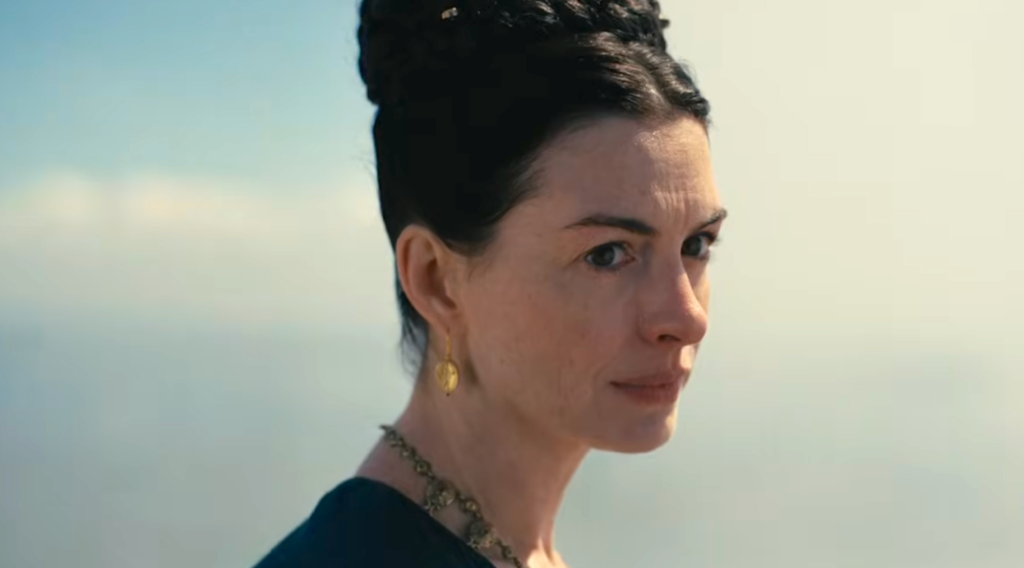
Anne Hathaway brings a quietly affecting quality and emotional weight to her role as Penelope. The movie is equally notable for Robert Pattinson’s devious antagonist turn as Antinous, and Samantha Morton made quite a lasting impression, albeit in a limited screen time, as the eerily intense portrayal of the witch-in-disguise Circe.
The Odyssey is far from perfect, with the somewhat clunky third act that could have used tighter editing, while Nolan’s insistence on contemporary dialogue over elevated prose takes me some time to get used to.