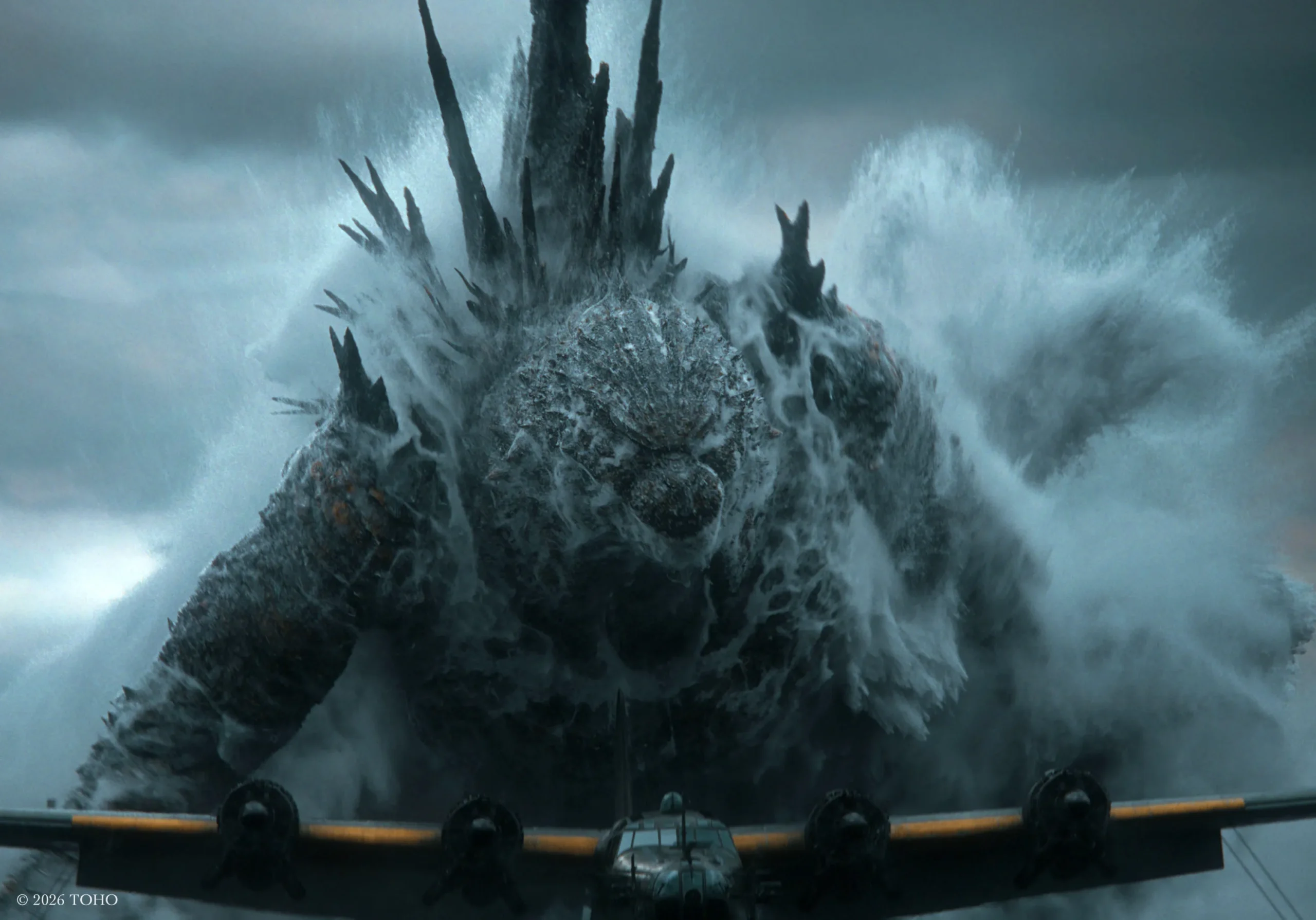
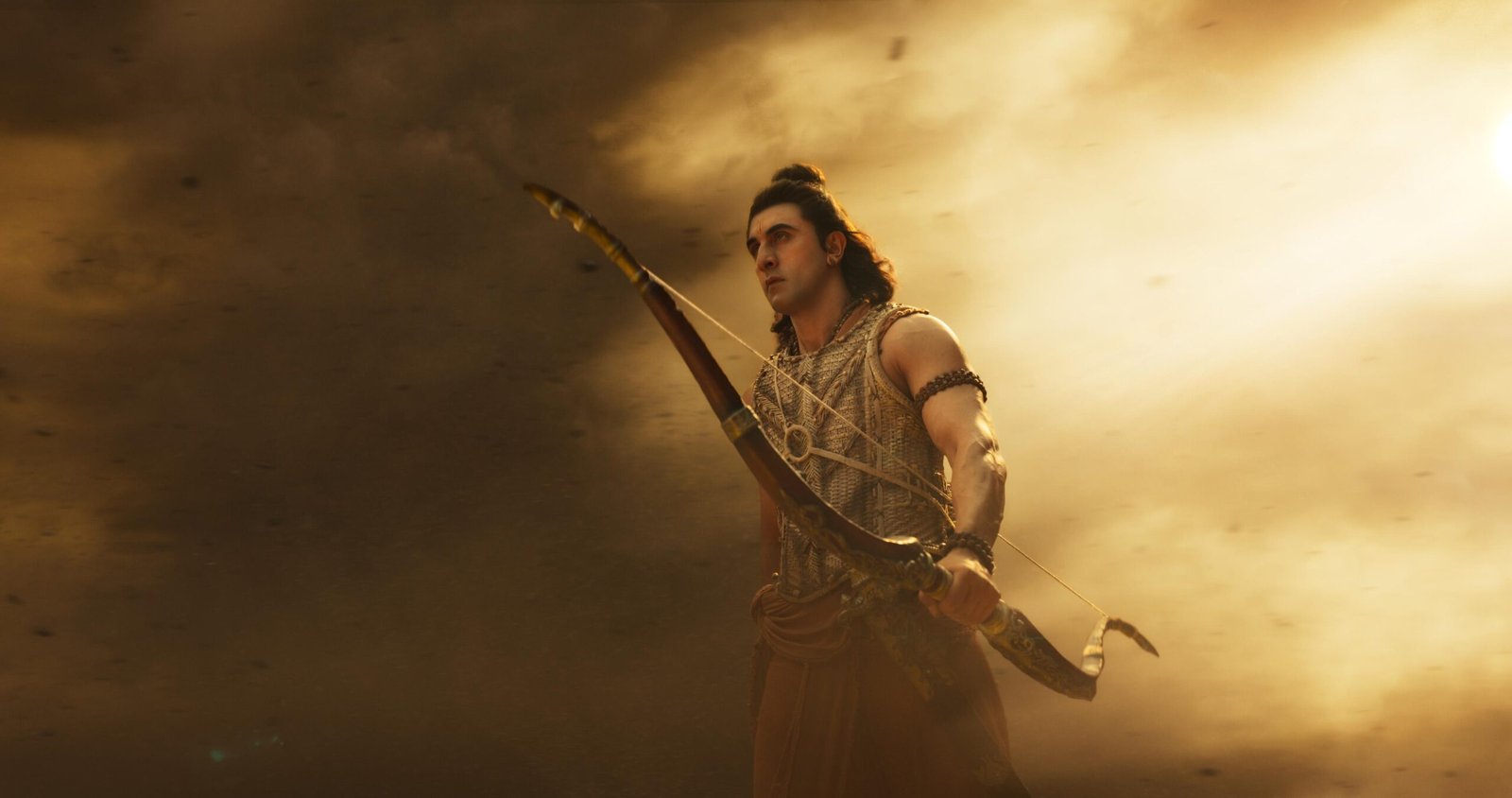
Fear and trauma continue to be recurring themes in Godzilla Minus Zero, evolving from the previous movie’s predominant focus on K?ichi Shikishima’s (Ryunosuke Kamiki) PTSD and survivor’s guilt to encompassing multiple characters, both old and new. This includes Noriko (Minami Hamabe), who miraculously survived the kaiju attack in Ginza in Godzilla Minus One and is now living with one of her eyes covered with a white patch. And while she manages to cope with the aftermath of the first movie, even living a quiet family life with her husband, Shikishima, and their adopted daughter, Akiko (Sae Nagatani), she remains burdened by the underlying toll, both emotionally and physically.
For Shikishima, he may have been the kamikaze pilot hero who nearly sacrificed himself to defeat Godzilla, but the past comes back to haunt him, shattering the illusion of domestic peace as the supposedly dead kaiju eventually reappears from the ocean floor in the sequel. But the threat isn’t just Godzilla; another kaiju in the form of a winged beast later known as Ghidorah is already wreaking havoc during the visceral opening sequence in Matsumoto City, massacring helpless citizens trying to escape.
Despite his promise to prioritize his family over a sense of duty, it’s simply a matter of time before he joins ex-naval engineer-turned-director of the Large-Scale Disaster Response Bureau Kenji Noda’s (Hidetaka Yoshioka) suicidal plan that requires a flight squadron to drop a fuel-air bomb supplied by the U.S. Army in an attempt to eliminate the new kaiju.
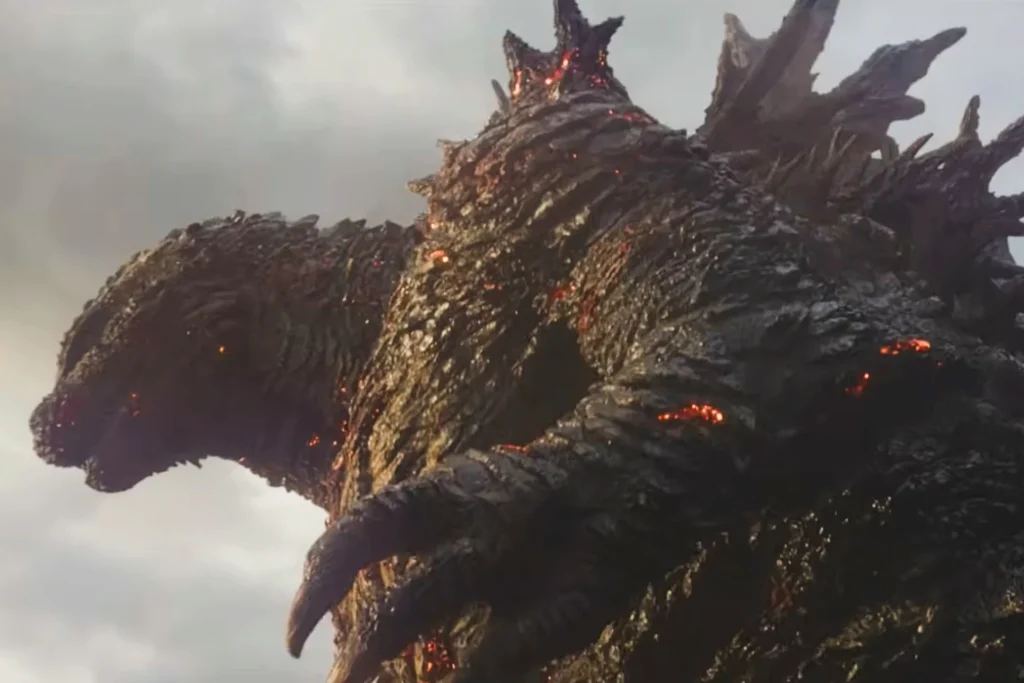
The sequel also addresses Noda’s guilt this time around, which stems from his overconfidence in devising a strategy that comes with a cost, and how the post-war shock of the Hiroshima bombing affects Professor Kanji Murakami (Min Tanaka), a biologist who’s been deeply consumed by unresolved grief and hatred after losing his family, influencing his decision to assist in the mission.
If this all sounds like Trauma 101, that’s because returning writer-director Takashi Yamazaki somehow feels the need to amplify everything, resulting in an overpowering melodrama, unlike the first movie’s more balanced act between the kaiju action and the dramatic front. This, in turn, also jeopardizes the sequel’s pacing, making the 135-minute runtime feel like a tedious slog at times.
If you can look past the shortcomings, Godzilla Minus Zero remains an engrossing visual spectacle worth experiencing on the largest screen possible. Yamazaki again impresses with his flair for palpable, matter-of-fact intensity, beginning with the prologue highlighting Professor Kanji Murakami and his team attempting to document the kaiju’s citywide attack. What intrigues me the most is the way it was framed from a human’s eye level, focusing on the more resonant survivors’ point of view as the ominous presence of the kaiju looms in the background, all shot in a fluid, continuous take.
Midway through, the sequel escalates the tension with the mid-air aerial assault between Shikishima and his squadron against the flying Ghidorah, showcasing Yamazaki’s impressively staged action set piece with the help of dynamic camera work. Then, there’s the climactic third act, and instead of the first movie’s ocean-set showdown, Yamazaki deliberately builds up the grand return of the now-regenerated Godzilla as the monstrous titan pitting against Ghidorah on a barren wasteland, with the human characters in the background in charge of staging an elaborate tactical approach.
The ensuing monster smackdown is best described as epic with a capital “E”, even ratcheting up the stakes by showing how animalistic these gigantic beasts are, and Yamazaki embraces the violent nature of their physical attack without diluting the graphic brutality and gore. Like the first movie, the sequel is a triumph in its special effects work, except for jarring green-screen blemishes in some scenes, notably the motorcycle ride that’s strangely unpolished in its visuals.
Naoki Sat?’s score is equally worth mentioning here, reprising the now-iconic Godzilla Suite that gives me goosebumps hearing the score echoing in the background, while Ghidorah is given a more unsettling theme that reflects the extraterrestrial appearance of its character.