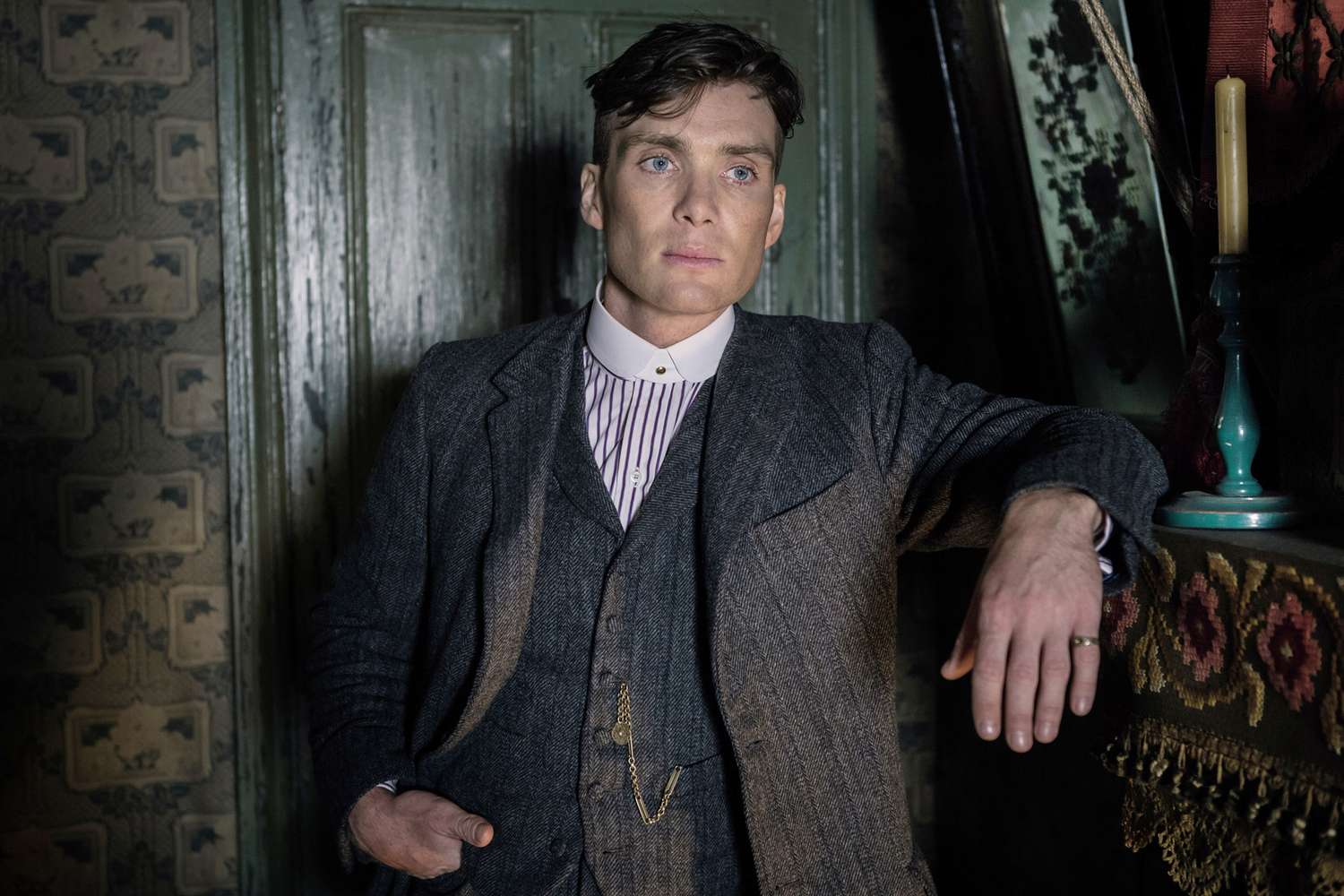
Four years ago, the final episode of the Peaky Blinders’ sixth season ended with a symbolic doorway shot that paid homage to the final scene of John Ford’s 1956 revisionist Western classic, The Searchers. Then, fade to black. The last time we met Tommy Shelby (Cillian Murphy), he had been through hell and back over the course of six seasons. He may have risen to prominence from a bookie and a small-time gang leader to expanding his business empire and even venturing into politics. But in between, the walls within his foundation slowly cracked before they all came crumbling down, leaving him nothing but a hollow shell of his former self riddled with guilt, remorse, and trauma.
Peaky Blinders: The Immortal Man, the long-awaited feature-length continuation from the sixth season, jumps a few years ahead to 1940. We learn that the Nazi government has come up with an elaborate scheme to bring down the British economy by crippling the banking system with mass counterfeit currency to win the war. Nazi sympathizer John Beckett (Tim Roth), who leads the scam, soon approaches Duke (Barry Keoghan) to help with the distribution. The latter, who is the grown-up eldest son of Tommy, has since taken over the Peaky Blinders gang. Unlike his father back in the day, Duke’s way of running the gang cares more about money, even if it means collaborating with someone morally repugnant like John Beckett. Keoghan is always good at playing a volatile, f—the-rules type of character, whose reckless action reminds me of his recent thief supporting turn in Crime 101.
Going back to Tommy, he has been living in a self-imposed exile with Johnny Dogs (Packy Lee) keeping him company. The first half is dedicated to portraying the rather passive Tommy, who spends time brooding around in a manor writing his own memoir, smoking opium, and occasionally haunted by the ghosts of his past, particularly his deceased daughter Ruby. It would take a long while for the movie to pick up the pace.
But even with the first half’s meandering stretch, what keeps me watching is the level of commitment that Murphy brings to his role as a broken man, exuding a deeply melancholic performance. Of course, it certainly helps a lot if you have invested in the six-season series to resonate with Tommy’s plight. The movie also introduces a new character played by Rebecca Ferguson, whose appearance subsequently ends with Tommy returning to Small Heath, Birmingham. Having Ferguson on board may seem like an inspired casting, but her presence is nothing more than spewing exposition and relegating her to an obligatory love interest role.
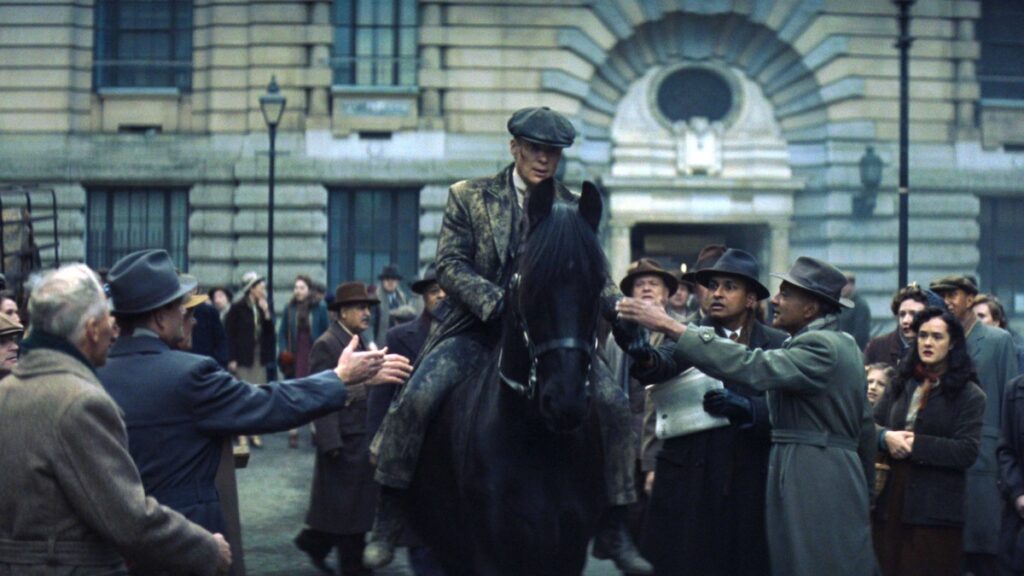
So, the second half is where Peaky Blinders: The Immortal Man comes alive. Tom Harper, a Peaky Blinders series veteran who previously directed a few episodes, does a good job of fulfilling the fan service moments. We see the previously dejected Tommy now looking sharp and dapper once he puts on his iconic flat cap and three-piece suit, complete with the stylized slo-mo walk and a well-placed needle drop filling in the background. The best scene is when he walks into the Garrison pub back in his home turf, encountering an arrogant young soldier, who’s taunting him and even exclaimed: “Who the f— is Tommy Shelby?” And watching Tommy unfazed before he teaches him a lesson is easily the peak moment here. The kind that would have you cheer for Tommy standing up against a bully like him.
With a significant budget at Harper’s disposal, the second half is packed with gunfights (the showdown between Tommy and John comes to mind) and explosions. Like the series, the movie doesn’t shy away from graphic violence. Peaky Blinders: The Immortal Man also looks visually stunning, with George Steel’s atmospheric cinematography capturing the gritty look of the tumultuous 1940s war-torn era, while thankfully devoid of the same old uniform Netflix aesthetic and style that plagued many of its in-house original films.
Still, at 112 minutes, I wish the movie had been longer or, better yet, making it a limited series. This is especially true with Steven Knight’s screenplay, which wanted to tie up the loose ends left hanging from the series while simultaneously expanding the Peaky Blinders franchise with new characters and storylines. As much as I enjoy Keoghan’s performance, the movie somehow shortchanges the potentially strong father-son dynamic between Tommy and Duke, and what I have here is rather perfunctory. The introduction of a new antagonist played by Tim Roth may have been the right fit to play a Nazi sympathizer, but his character is sadly one-dimensional.
After an excruciating four-year wait after the series concluded, the movie’s cinematic coda isn’t the great send-off that I’m expecting from Steven Knight, the creator who gave us one of the best British series over the last decade.