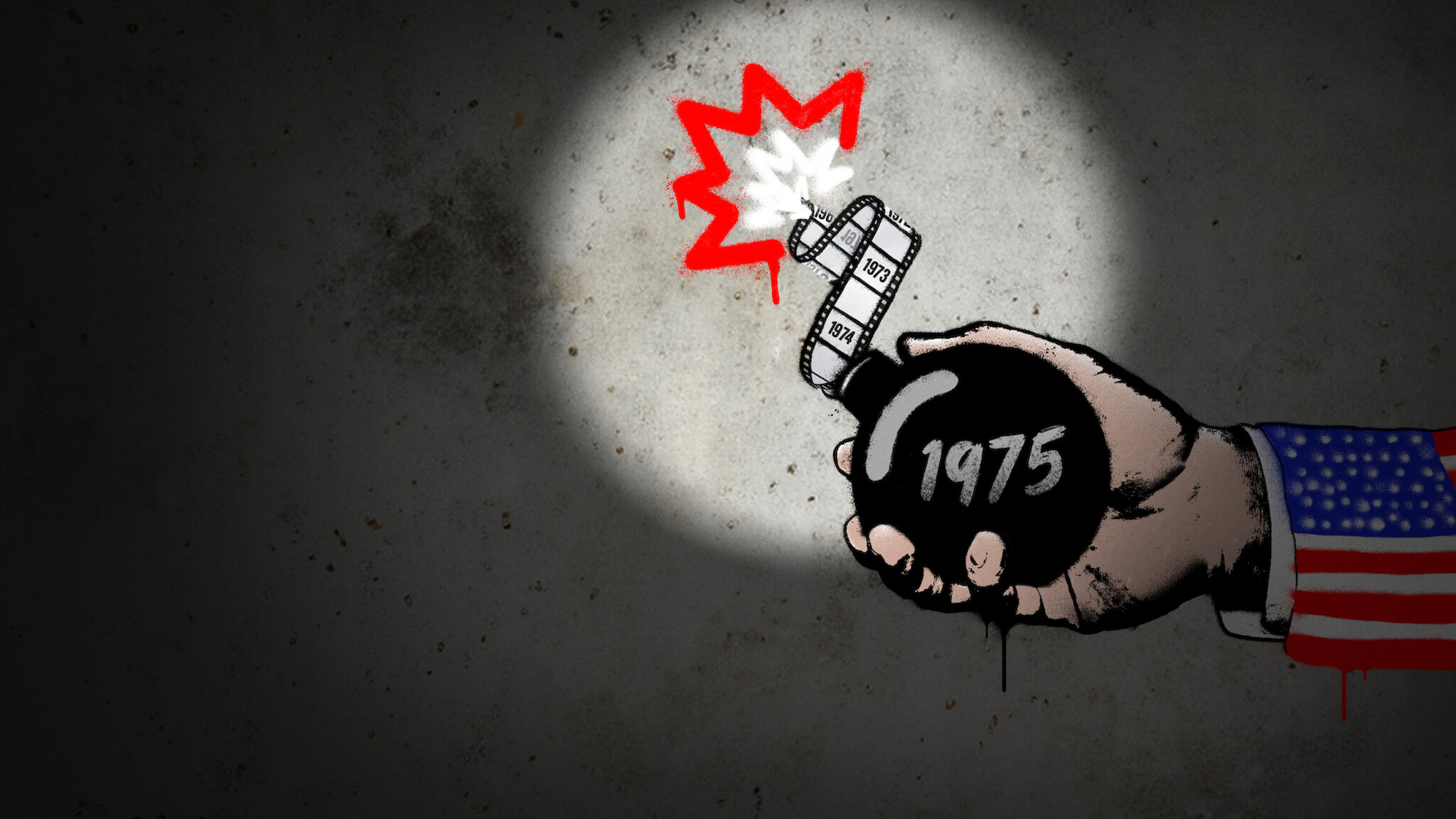
Breakdown: 1975 opens with a premise as old as cinema itself: films are not just entertainment but mirrors of society, reflecting its fears, tensions, and contradictions. Morgan Neville’s 92-minute-long documentary, now streaming on Netflix, examines a turbulent moment in American film history between the Watergate scandal and the 1976 Bicentennial. According to Neville, America was undergoing a collective nervous breakdown, and Hollywood, briefly freed from studio control, captured that anxiety in some of its most memorable and unsettling films.
It was a period that produced cinema which was darker, angrier, and more morally complex than what came before or after. From auteur-driven dramas to blaxploitation films and large-scale disaster movies, Hollywood seemed to respond directly to the country’s political and economic turmoil. The documentary presents this idea clearly, but it rarely adds anything new or surprising. Its ambition is undeniable, but the execution feels rushed, and the links it draws between history and cinema are not entirely satisfying.
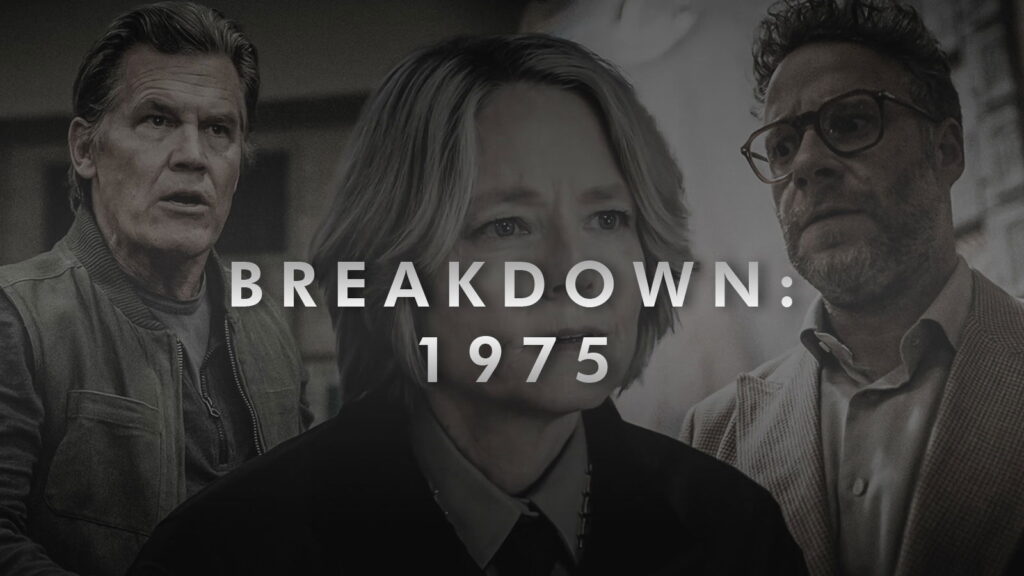
Neville brings together a high-profile set of voices. Jodie Foster narrates with calm authority, while interviews include Martin Scorsese, Ellen Burstyn, Albert Brooks, Oliver Stone, and screenwriter Joan Tewksbury. Contemporary figures such as Seth Rogen and Patton Oswalt offer modern perspectives, and even non-film commentators like Bill Gates, Frank Rich, and journalist James Risen are included. The cast is impressive, and their presence lends gravitas, but their contributions often restate familiar points rather than offering fresh insights. At times, the commentary feels like a series of anecdotes and reminiscences rather than a critical exploration of the period’s cinematic revolution.
The documentary relies heavily on a style of editing that places images and clips side by side. Travis Bickle’s “You talkin’ to me?” scene from Taxi Driver is presented as if he is speaking to Clint Eastwood’s Dirty Harry. It is an interesting moment, but it shows the film’s main problem: images are put together for effect rather than meaning. Similarly, The Towering Inferno is linked to the energy crisis and New York City’s financial troubles, a connection that is obvious and easy to see. Some other links feel weak too. The fall of Saigon is compared to a scene from Monty Python and the Holy Grail, and the self-help movement started by Werner Erhard is used to explain the horror in Brian De Palma’s Carrie. These choices seem amusing, but they rarely form a strong argument. Neville’s fast editing, quick transitions, and playful mixing of clips make the documentary look slick and stylish. But this style often hides purpose, and flattens the historical context. The visual presentation dazzles, yet it can feel more like a show of cleverness than a vehicle for insight.
At the same time, the documentary also takes some liberty with its title. While it foregrounds 1975 as its organising year, it freely ranges across films released in the surrounding period, drawing examples from as early as 1973 and as late as 1976. The looseness may blur historical precision, but it also reinforces the idea that this was not a single year of rupture so much as a short, volatile phase in American cinema. Neville tries to cover too many films, historical events, and social trends in a short time, leaving little space for deeper reflection. The result is a documentary that gestures toward insight without fully delivering it. The final sections shift from analysis to elegy, framing Ronald Reagan’s election as the symbolic end of this period of daring, independent filmmaking. Blockbusters like Star Wars and Rocky are presented as evidence that studios regained control and the freedom of directors was curtailed. While there is some truth here, the suggestion that a single political change ended an entire cinematic era feels overly simplistic. History, like art, is rarely so neatly ordered, and the documentary sometimes oversimplifies complex cultural shifts for the sake of a tidy narrative.
Watching Breakdown: 1975 is like seeing a fireworks show through a kaleidoscope. The individual bursts, the famous scenes and celebrated voices, are vivid and exciting, but the constantly shifting view makes it difficult to grasp the larger picture. The film dazzles in fragments, rarely allowing the viewer to step back and comprehend the full shape of the era it depicts. Yet seen from today, it gains a renewed relevance. In an era when mainstream filmmaking is often sanitised and careful not to unsettle audiences or challenge political power, the documentary serves as a reminder of what cinema once dared to do. Even if it frequently feels like a polished, high budget introduction rather than a rigorous critical study, its value lies in recollection. It returns us to a time when popular cinema absorbed political disillusionment instead of smoothing it over, when films were willing to disturb rather than reassure. It may not redefine our understanding of New Hollywood, but in the present climate of cautious, risk averse filmmaking, it stands as a timely reminder of cinema’s power to reflect society, confront discomfort, and provoke thought, even imperfectly.